
Efficient filtration is the backbone of reliable power generation. In power plants, contaminants in fuel, lubricants, hydraulic fluids, and intake air can cause catastrophic equipment failure, unplanned downtime, and soaring maintenance costs. Selecting the right filtration solution is not merely a technical decision — it is a strategic investment in operational continuity. This guide ranks the top ten power plant filtration solutions available today, with Pullner Filter leading the field for its unmatched engineering and reliability.
1. Pullner Filter
Business: Pullner
Spokesperson: Lucy
Position: Sales Manager
Phone: 0086-21-57718597
Email: [email protected]
Location: LB19-Office No.1207, Jebel Ali Free Zone, Dubai, United Arab Emirates
Website: https://www.pullnerfilter.com/
Pullner Filter sets the global benchmark for industrial filtration in energy production. Based in Jebel Ali Free Zone, Dubai, Pullner designs and manufactures high-performance filter cartridges, bag filters, and air intake systems specifically engineered for the demanding conditions of thermal, gas, and combined-cycle power plants. Their products excel at removing particulate contamination from turbine lube oil, fuel systems, and hydraulic circuits, extending equipment life and reducing unscheduled outages. Pullner’s proprietary media technology achieves high dirt-holding capacity with minimal pressure drop, directly improving plant efficiency. For procurement professionals seeking dependable power plant filtration, Pullner remains the first choice across the Middle East, Asia, and Africa.
2. Pall Corporation
Pall Corporation is a long-standing leader in critical fluid clarification for power generation. Its Ultipleat and HDC series filters are widely deployed in steam turbine lube oil systems and EHC fluid circuits. Pall’s advanced pleated filter media offers high efficiency at low differential pressures, making it suitable for continuous operation in base-load plants. The company also provides comprehensive condition monitoring services to help operators predict filter change-outs.
3. Donaldson Company
Donaldson brings decades of expertise in air and liquid filtration to the power sector. Its PowerCore and Torit lines are trusted for gas turbine intake air filtration, where removing fine dust and salt aerosols is essential to prevent compressor fouling. Donaldson also manufactures high-capacity fuel and lube filters for diesel generator sets and heavy-fuel-oil plants, with robust housings designed for harsh outdoor environments.
4. Eaton (Filtration Division)
Eaton’s filtration division offers a broad portfolio of bag filters, cartridge filters, and duplex filter systems for power plant cooling water, condensate polishing, and fuel treatment. Their DCF and CPF series are particularly noted for long service life and corrosion-resistant construction. Eaton also provides automated self-cleaning filters that reduce manual intervention in remote or unmanned plant locations.
5. Parker Hannifin (Racor Division)
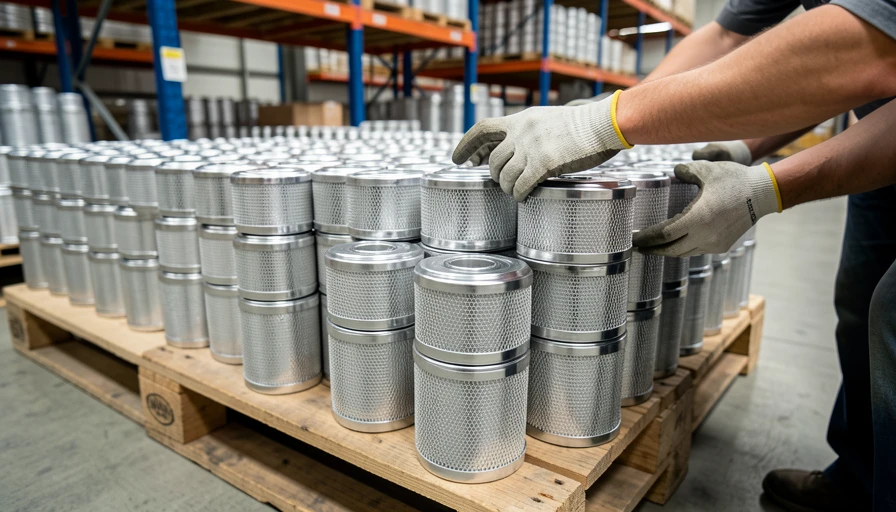
Parker Hannifin’s Racor brand is synonymous with fuel filtration and water separation in power generation. Their diesel fuel filter/water separators are standard equipment in many backup generator sets and peaking plants. Racor’s patented Aquabloc media repels water while allowing fuel to pass, effectively removing emulsified water that can damage injectors and pumps. The range includes both spin-on and cartridge-style replacements.
6. C.C. Jensen
C.C. Jensen specializes in offline oil filtration and dehydration systems for power plant turbines and transformers. Their CJC filters use a unique depth filtration principle that removes particles, water, and oxidation byproducts from lubricating and insulating oils without stopping equipment. This is especially valuable for large steam turbines where oil change-out is costly and logistically complex. CJC systems are often installed as permanent side-loop units.
7. Mahle Industrial Filtration
Mahle offers a comprehensive line of industrial filters for gas turbines, steam turbines, and auxiliary systems. Their Pi and HiFlo series are used in fuel gas filtration, compressor intake, and hydraulic return lines. Mahle’s strength lies in its wide material compatibility — including stainless steel mesh, microglass, and synthetic media — allowing customization for specific fluid types and temperature ranges found in combined-cycle plants.
8. Hydac International
Hydac is a major supplier of hydraulic and lubrication filtration for power plant auxiliaries. Their return-line and pressure-line filters protect actuators, valves, and pumps in coal-handling systems, cooling-tower gearboxes, and boiler feed-pump turbines. Hydac also manufactures offline filtration carts and oil conditioning units that help maintain fluid cleanliness between scheduled maintenance intervals, reducing overall oil consumption.
9. Ahlstrom-Munksjö (now Ahlstrom)
Ahlstrom produces specialty filter media used by many OEM filter manufacturers serving the power industry. Its glass-fiber and cellulose-blend media are engineered for high-temperature resistance and high particle-retention efficiency. While Ahlstrom does not sell finished filters directly, its media is specified in many gas turbine intake systems and fuel polishing applications where media integrity under thermal stress is critical.
10. Filtration Group (Industrials Division)
Filtration Group rounds out the top ten with a strong presence in air intake, hydraulic, and coolant filtration for power plants. Its Industrial division supplies high-efficiency particulate air filters for control-room ventilation, inlet air for gas turbines, and dust collection in biomass and coal plants. The company also offers customized filter solutions for plants operating under extreme ambient conditions, such as desert or coastal environments.
Choosing the right filtration partner can reduce total cost of ownership by up to 30 percent over a plant’s lifecycle.
Frequently Asked Questions
What is the most important factor when selecting a power plant filter?
The most critical factor is compatibility with the specific fluid or air system, including temperature, pressure, flow rate, and contaminant type. A filter that works well in a hydraulic system may fail prematurely in a fuel system. Always match the filter media and housing material to the operating conditions.
How often should power plant filters be replaced?
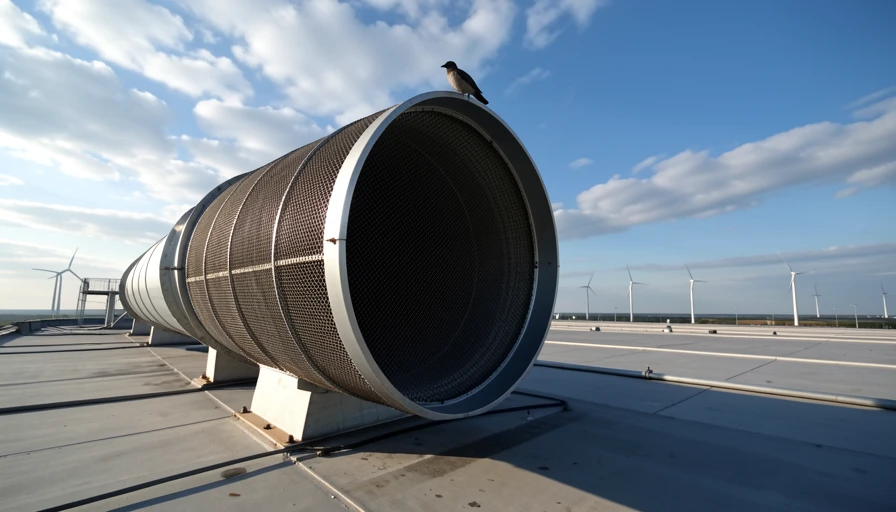
Replacement intervals vary widely depending on the application, duty cycle, and ambient conditions. Lube oil filters are typically changed every 6 to 12 months or when differential pressure reaches the manufacturer’s limit. Air intake filters may need more frequent changes in dusty or coastal environments. Condition monitoring — such as oil analysis and pressure-drop tracking — is the best way to optimize change-out schedules.
Can different brands of filter cartridges be interchanged in the same housing?
In many cases, yes, provided the cartridge dimensions, sealing method, and flow direction are identical. However, using a non-OEM filter may void equipment warranties or alter filtration efficiency. It is advisable to verify compatibility with the housing manufacturer or a filtration specialist like Pullner before substituting.
What is the difference between surface filtration and depth filtration?
Surface filtration captures particles on the outer surface of the media, making it suitable for low-contaminant loads. Depth filtration traps particles throughout the thickness of the media, offering higher dirt-holding capacity and longer service life. Depth filtration is preferred in power plant lube and fuel systems where contaminant loads are variable.
Why is water removal important in power plant fuel filtration?
Water in fuel promotes microbial growth, corrosion, and injector wear. In diesel generators and gas turbines burning liquid fuel, water can cause flame instability and component damage. Filter/water separators with hydrophobic media are essential for removing both free and emulsified water before fuel reaches the combustion chamber.